Discover Essential Tree Service Practices for Maximum Tree Health
Understanding tree care is important for keeping the surroundings healthy. Key practices such as mulching and pruning play significant roles in promoting tree vitality. In addition, the right way to water are essential for new root growth. Nonetheless, a lot of individuals ignore the signs of tree diseases and the value of professional arborists. Exploring these aspects can foster a greater respect for trees and their care. What measures can be adopted to help their trees grow strong?
Grasping the Value of Healthy Trees
Knowing why tree health is crucial is essential, as trees are instrumental in preserving the ecosystem's equilibrium and enhancing urban environments. Vibrant trees help improve air quality, give shelter, and support wildlife habitats. Furthermore, they help lessen climate change by absorbing CO2, making them essential for a sustainable environment.
In urban settings, properly cared-for trees enhance the appearance, increase property values, and foster neighborhood health. Their presence can reduce heat island effects in cities, leading to lower energy costs.
Ignoring tree maintenance, conversely, can lead to illness, bug invasions, and structural instability, creating dangers to the trees and nearby structures alike. As a result, knowing the markers of tree well-being, such as leaf coloration, how the tree is growing, and the state of the bark, is vital for effective management. Ultimately, promoting tree health benefits not just individual landscapes but the wider ecological system, emphasizing the need for proactive care and management practices.
Crucial Techniques for Cutting Branches
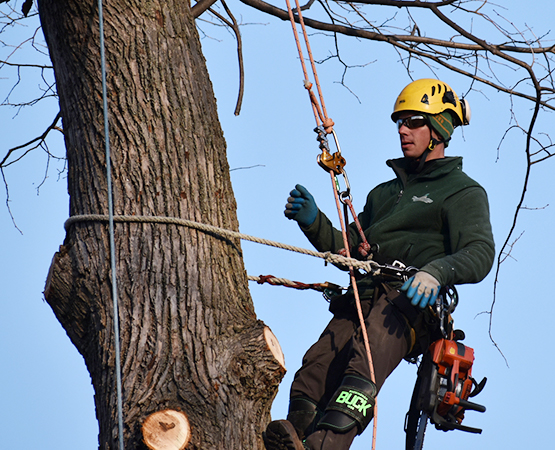
Pruning is an important practice in tree care that promotes strong growth and vitality, as it gets rid of sick or dead limbs and improves air circulation within the canopy. Using the right methods makes certain that trees can grow well in their setting.
A key method is "thinning," which involves selectively removing branches to improve sunlight exposure and decrease stress on weaker parts. 'Heading cuts' is one technique, where the ends of branches are snipped to promote bushier growth, particularly for young trees. Furthermore, the process of 'crown reduction' reduces the height and spread of a tree while preserving its inherent form.
Proper timing is crucial; trimming when the tree is resting minimizes stress and optimizes healing. Pruning implements must be sharp and sterile to prevent injury and infection transfer. Grasping these critical pruning practices is crucial for any tree care professional aiming to maintain healthy and aesthetically pleasing trees.
Identifying Common Tree Diseases
How can tree owners recognize the indicators of typical illnesses that threaten their trees? Familiarity with key indicators is vital for quick spotting and action. Common indicators include leaves that are yellowing or drooping, possibly indicating a fungus or a lack of necessary nutrients. Unusual growths, such as galls or cankers, often point to pests or diseases that harm the tree's vitality. Furthermore, peeling bark or oozing sap can be a sign of disease that demand quick action.
Tree owners should also observe alterations in the tree's form, like premature leaf shedding or dead branches, which might indicate a serious problem beneath the surface. Watching for evidence of bug problems, like frass or bore holes, is just as critical. By remaining vigilant and proactive, owners are able to spot these frequent ailments and find suitable treatments, making sure their trees stay strong and lively throughout the seasons.
The Role of Mulching in Tree Care
Applying mulch is a vital method in tree care, giving various benefits that promote healthy growth and durability. It means spreading a layer of organic or inorganic material surrounding the trunk, aiding in moisture retention, preventing weed growth, and moderating temperature fluctuations. This protective barrier does more than minimize competition from unwanted vegetation but also improves the look of comprehensive article the landscape.
In addition, natural mulching materials, like bark or wood chips, gradually decompose, providing essential nourishment and enhancing the soil's composition. This ongoing process aids in root growth and promotes a better habitat for the tree. Moreover, mulching can prevent the erosion of soil, thereby stabilizing of the tree’s foundation. When applied correctly mulch must be distributed in a ring shape, making sure it doesn't touch with the trunk to avoid rotting. Overall, incorporating mulching into tree care routines considerably contributes to the sustained well-being of trees.
Optimal Watering Methods for Trees
Effective tree care requires more than just mulching but also appropriate watering techniques to ensure optimal growth and health. Trees, particularly newly planted ones, need consistent moisture to develop robust root structures. Deep watering is essential, as it helps roots push deeper where moisture is more stable. Preferably, trees should receive about an inch of water per week, whether through rainfall or extra irrigation.
It is best to water at dawn to minimize water loss and disease caused by fungi. One must be careful not to overwatering, which can lead to root rot and other issues. One must check the soil for moisture before watering; if the top two inches are dry, it is time to provide water. Furthermore, using a soaker hose or drip irrigation delivers a gradual, continuous stream of water, guaranteeing trees are sufficiently hydrated without the potential for wasted water. Correct watering methods are essential contributors to the overall health of trees.
Engaging Expert Arborists: When and Why
When considering the health and aesthetics of a property, hiring professional tree services is often vital for homeowners with complicated tree maintenance requirements. Expert tree specialists have the expertise to assess tree health, identify diseases, and apply successful remedies. They also understand local regulations for removing trees and maintenance, ensuring adherence and avoiding potential fines
(Stillwater Tree Service)Property owners ought to hire experts when dealing with large trees, especially those close to buildings or power lines, as mishandling creates safety hazards. In addition, trees requiring pruning for aesthetic or health reasons gain from the abilities of trained specialists who can execute precise cuts to encourage development
Periodic maintenance, such as preparing for storms and clearing debris, need professional assistance to keep the property safe and appearance. Ultimately, using expert tree care providers makes certain trees get the best attention, thereby enhancing the property's aesthetics and home valuation
Questions and Answers
How Do I Know if My Tree Is Drowning?
Overwatering often leads to chlorotic leaves, drooping even when the ground is wet, root rot, and significant defoliation. In addition, the appearance of mushrooms around the base may indicate inadequate water runoff and waterlogged conditions.
What Is the Best Time of Year for Tree Pruning?
The ideal season for trimming is typically late winter to early spring before the onset of new foliage - Stillwater Tree Service. This timing promotes healthy growth and lessens the impact on the plant, enabling rapid wound closure and development
Can Trees Recover From Severe Storm Damage?
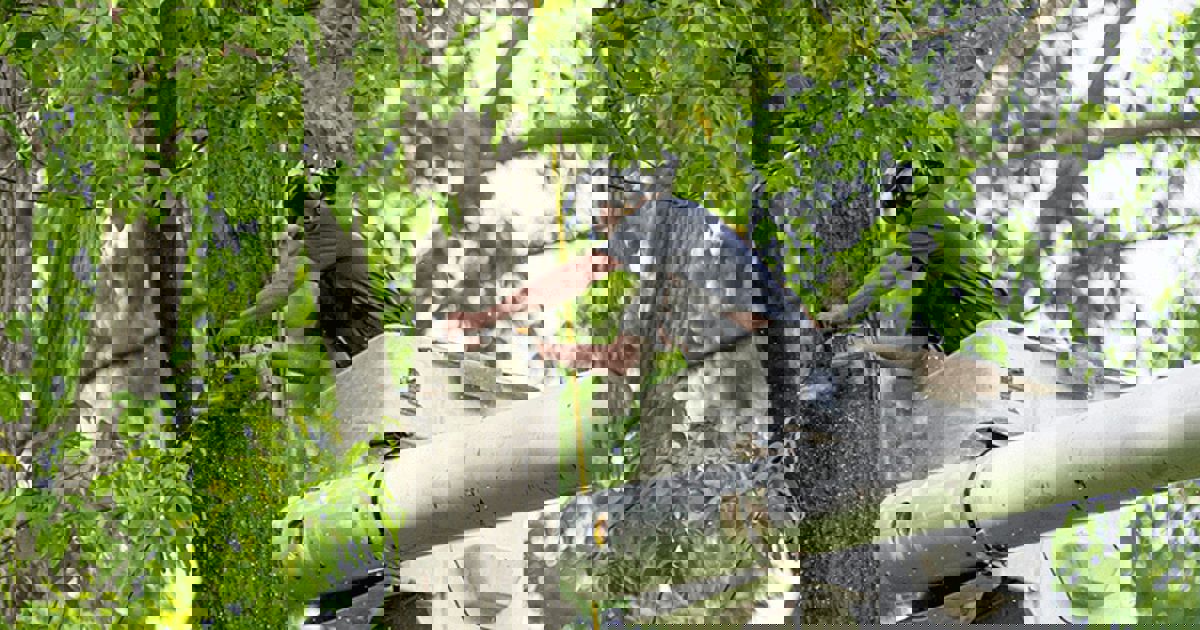
It is possible for trees to bounce back after severe weather. Given the right attention, including the removal of injured parts and providing adequate water and nutrients, many trees can regain their health and continue to thrive despite enduring major trauma.
What Should I Look For When Choosing the Right Mulch for My Trees?
To choose the right mulch for trees, it is best to use organic options such as shredded bark or wood chips, guarantee proper depth of 2-4 inches, and never stack mulch against the base to safeguard against rot.
Are There Specific Trees That Require More Care Than Others?
Some species, such as fruit trees and newly planted specimens, demand more care because they react strongly to environmental shifts and specialized fertilization demands. Frequent checking and specific upkeep methods are essential for their health and growth.